
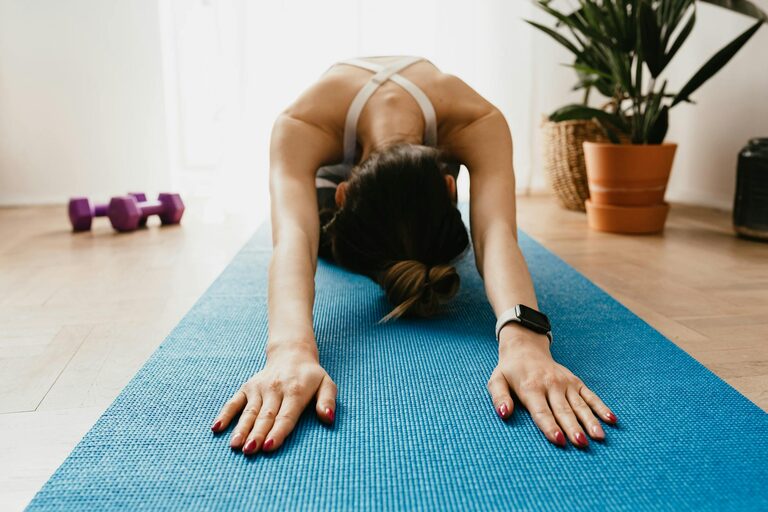
Stretching is a simple yet powerful way to improve your physical health, enhance flexibility, and reduce muscle tension—all without needing a gym membership or special equipment. Whether you’re new to exercise or looking to add a beneficial routine to your daily schedule, stretching at home offers great convenience and noticeable benefits. In this beginner’s guide, we’ll explore the basics of stretching, share easy stretches you can try, and offer tips to help you make the most of your practice.
Why Stretching Matters
Stretching helps to lengthen muscles, improve joint mobility, and increase blood flow. Here are a few reasons why incorporating stretching into your routine is important:
– Enhances flexibility: Stretching regularly improves your range of motion, making everyday movements easier.
– Reduces muscle stiffness: It helps relieve tension from prolonged sitting or repetitive activities.
– Improves posture: Stretching tight muscles supports better alignment and posture.
– Boosts relaxation: Gentle stretches can calm the nervous system and reduce stress.
– Prepares your body: Stretching before exercise can reduce the risk of injury and improve performance.
Even a few minutes daily can add noticeable benefits, so let’s get started!
Getting Started: Stretching Basics
Before jumping into stretches, it’s helpful to understand some simple principles:
– Warm up first: Stretching cold muscles can cause injury. Do 3–5 minutes of light activity like walking or marching in place.
– Breathe deeply: Keep your breath steady and relaxed throughout your stretches.
– Hold, don’t bounce: Hold each stretch steadily for 20–30 seconds rather than bouncing. This helps muscles relax.
– Listen to your body: You should feel a gentle pull, not pain. Ease off if a stretch hurts.
– Stretch both sides: Balance your routine by stretching both left and right sides equally.
Easy Stretches to Try at Home
Here are some beginner-friendly stretches that target major muscle groups. You don’t need special equipment or much space.
Neck Stretch
- Sit or stand with a straight spine.
- Slowly tilt your head toward your right shoulder until you feel a gentle stretch on the left side of your neck.
- Hold for 20–30 seconds, then switch sides.
- Stand or sit tall.
- Lift your shoulders toward your ears, then roll them back and down in a smooth circular motion.
- Repeat 10 times, then change direction.
- Stand with feet hip-width apart.
- Clasp your hands behind your back and gently lift your chest while squeezing your shoulder blades together.
- Hold for 20–30 seconds.
- Sit on the floor with legs extended straight ahead.
- Keeping your back flat, hinge at your hips and reach toward your toes.
- Hold the stretch without forcing it; bend your knees slightly if needed.
- Get on your hands and knees in a tabletop position.
- Inhale, arch your back, lifting your chest and tailbone (Cow Pose).
- Exhale, round your back, tucking your chin and tailbone (Cat Pose).
- Repeat slowly 8–10 times.
- Stand tall and hold onto a wall or chair for balance if needed.
- Bend your right knee, bringing your heel toward your buttocks.
- Grab your right ankle with your right hand and gently pull to stretch the front of your thigh.
- Hold for 20–30 seconds, then switch legs.
- Stand facing a wall with your hands resting on it.
- Step your right foot back keeping the heel on the floor.
- Lean into the wall until you feel a stretch in your calf.
- Hold for 20–30 seconds, then switch sides.
Shoulder Rolls
Chest Opener
Seated Forward Fold
Cat-Cow Stretch (for spine flexibility)
Standing Quadriceps Stretch
Calf Stretch
Tips for Building a Stretching Routine
– Set a schedule: Aim for 5–10 minutes daily, ideally at a consistent time.
– Combine with other activities: Stretch after walking, yoga, or even before bed to wind down.
– Create a calm space: Choose a quiet, comfortable spot where you can focus without distractions.
– Track progress: Notice improvements in flexibility and how your body feels over time.
– Avoid rushing: Move into each stretch slowly and hold without strain for best results.
When to Be Cautious
While stretching is safe for most people, certain conditions such as injuries, joint problems, or chronic pain may require modifications. If you’re unsure, consider consulting a fitness professional or physical therapist.
Final Thoughts
Stretching at home is a convenient, accessible way to support your physical health and overall wellness. By starting with gentle stretches, listening to your body, and making it a regular habit, you’ll enjoy greater flexibility, less muscle tension, and increased comfort in your daily life. Remember, even a few minutes a day can make a positive difference.
Ready to stretch? Start today and feel your body thank you!
—
If you enjoyed this beginner’s guide, stay tuned for more tips on home wellness and simple fitness routines!