
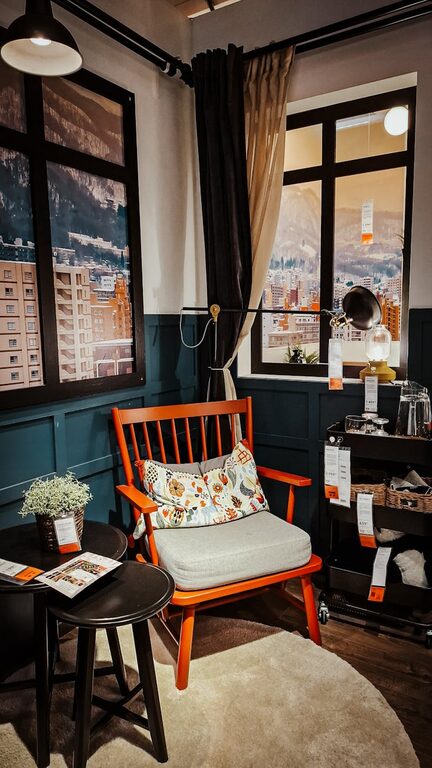
Creating a comfortable lighting setup in your home is essential for both functionality and ambiance. The right lighting can make a room feel warm, inviting, and perfect for relaxation or productivity. However, choosing the right lighting isn’t always straightforward — with so many types, styles, and brightness levels to consider, it’s easy to get overwhelmed.
In this post, we’ll explore helpful tips to guide you in selecting comfortable home lighting that suits your needs and complements your décor.
Understanding the Basics of Comfortable Lighting
Before diving into specific tips, it’s important to know what makes lighting comfortable:
– Softness: Harsh, overly bright lights can cause eye strain. Softer lighting is easier on the eyes.
– Warmth: Light color temperature (measured in Kelvins) affects the mood. Warm lighting feels cozy, while cool lighting is more energizing.
– Adjustability: Being able to control brightness or direction allows you to create the right atmosphere.
– Layering: Combining different types of lighting (ambient, task, accent) helps avoid flat or dull spaces.
Keeping these principles in mind will help you make informed decisions.
Choose the Right Type of Lighting
Home lighting generally falls into three categories. Using a mix of these creates a balanced and functional environment.
Ambient Lighting
This is your main source of light that fills the entire room. Examples include ceiling fixtures, chandeliers, or recessed lights.
– Choose fixtures that distribute light evenly.
– Consider dimmable options for flexibility.
– Use LED bulbs to save energy and reduce heat.
Task Lighting
Task lighting focuses on specific areas for activities like reading, cooking, or working.
– Desk lamps, under-cabinet lights, and reading lamps are common types.
– Position task lights to minimize shadows and glare.
– Opt for adjustable lights to direct illumination where needed.
Accent Lighting
Accent lighting highlights art, architectural features, or plants, adding visual interest.
– Spotlights and wall sconces work well for this.
– Use accent lights sparingly to enhance without overpowering.
– Color-changing bulbs can add creative effects.
Consider Color Temperature for a Pleasant Atmosphere
Light’s color temperature influences how comfortable a space feels.
– Warm White (2700K–3000K): Produces a cozy, relaxing glow — perfect for living rooms and bedrooms.
– Neutral White (3500K–4100K): Offers a balanced, natural light — suitable for kitchens or bathrooms.
– Cool White (5000K–6500K): Mimics daylight; helps with focus — great for workspaces or garages.
Choosing warmer tones generally promotes comfort, especially in areas meant for relaxation.
Opt for Adjustable Lighting Controls
Having control over lighting brightness and mood is key to comfort.
– Dimmers: Allow you to lower light levels, creating a softer atmosphere.
– Smart bulbs: Enable you to adjust color and intensity from your phone.
– Multiple switches: Help customize different lighting zones within a room.
Adjustability ensures the lighting fits different activities and times of day.
Select Quality Bulbs With Good Light Distribution
Not all bulbs are created equal when it comes to comfort and performance.
– LED bulbs are energy-efficient, long-lasting, and come in various color temperatures.
– Look for bulbs with a good Color Rendering Index (CRI) — 80 or above is ideal. Higher CRI bulbs display colors more accurately and pleasantly.
– Use bulbs that offer even, glare-free illumination to avoid eye discomfort.
Use Lampshades and Covers to Soften Light
Direct light can be harsh. Lampshades and diffusers help create a softer glow.
– Choose fabric or frosted glass shades that diffuse light evenly.
– Avoid transparent or clear shades that amplify brightness.
– Lampshades also add a decorative element to complement your décor.
Pay Attention to Placement and Height
Where and how you place your lights significantly affects comfort.
– Place task lights close to where you perform activities.
– Avoid placing lights directly overhead where shadows can interfere.
– Adjust the height so that the light spreads evenly without causing glare.
For example, pendant lights work well over dining tables, while floor lamps can fill empty corners with gentle light.
Use Layered Lighting for a Balanced Effect
Combining ambient, task, and accent lighting provides flexibility and comfort.
– Ambient light handles general illumination.
– Task lighting supports specific activities.
– Accent lighting adds depth and highlight features.
Layering allows you to switch on or off different lights depending on your needs and mood.
Consider the Room’s Function and Personality
Different spaces require different lighting approaches.
– Living rooms: Warm, soft lights to encourage relaxation.
– Kitchens: Bright and clear task lighting to aid cooking.
– Bedrooms: Dim, warm lighting to wind down.
– Home offices: Bright, neutral lighting to support concentration.
Also, consider personal preferences and décor styles when selecting fixtures and bulbs.
Final Thoughts: Testing and Adjusting Your Lighting
Every home is unique, so don’t hesitate to experiment with different bulbs and placements. Start by layering lighting and adding dimmers or smart controls to gain flexibility. Give yourself time to notice how the space feels at different times of day and tweak accordingly.
Comfortable home lighting is more than just brightness—it’s about creating a welcoming environment that supports your lifestyle. With these tips, you’ll be well on your way to creating a well-lit, comfortable home that feels just right.
—
If you found these tips helpful, try mixing different lighting styles in your next home project and discover the difference comfortable lighting can make!